
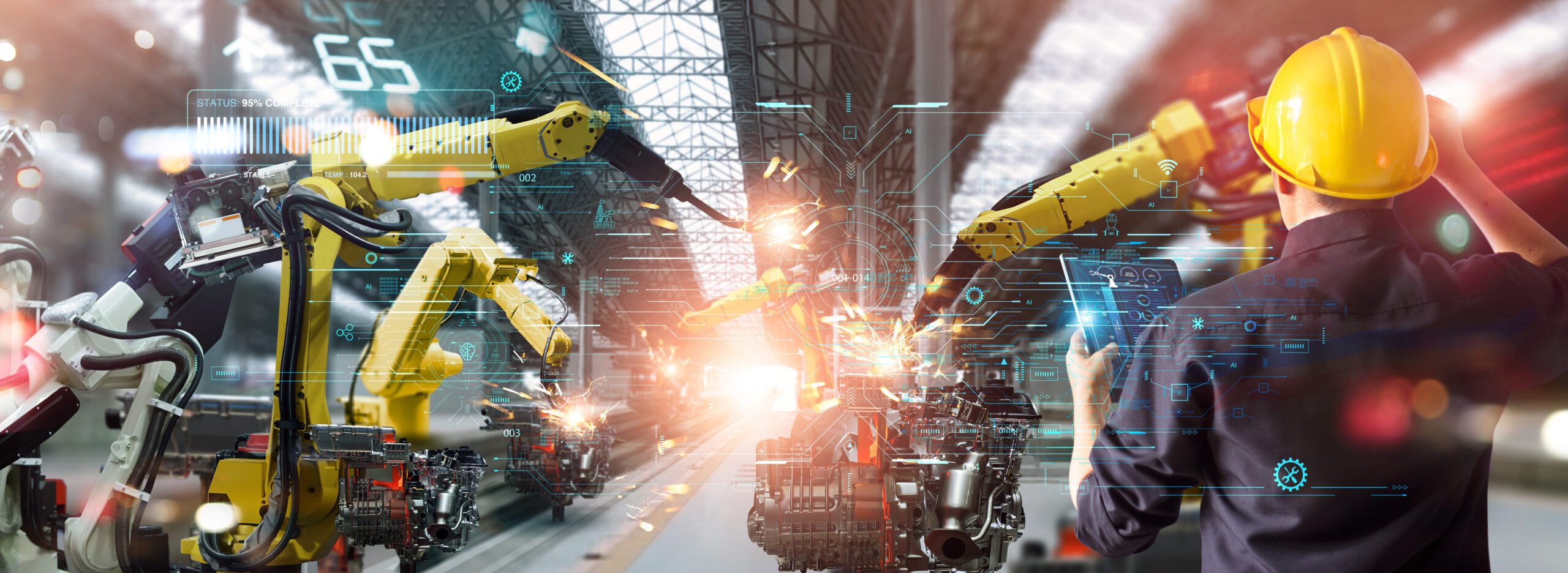
Industry 5.0

As a historic cradle of French industry, the Grand Est Region has become a central hub for industry in Europe, with the emergence over the decades of sectors of excellence such as metallurgy, mechanical engineering, and textiles in the Vosges mountains.
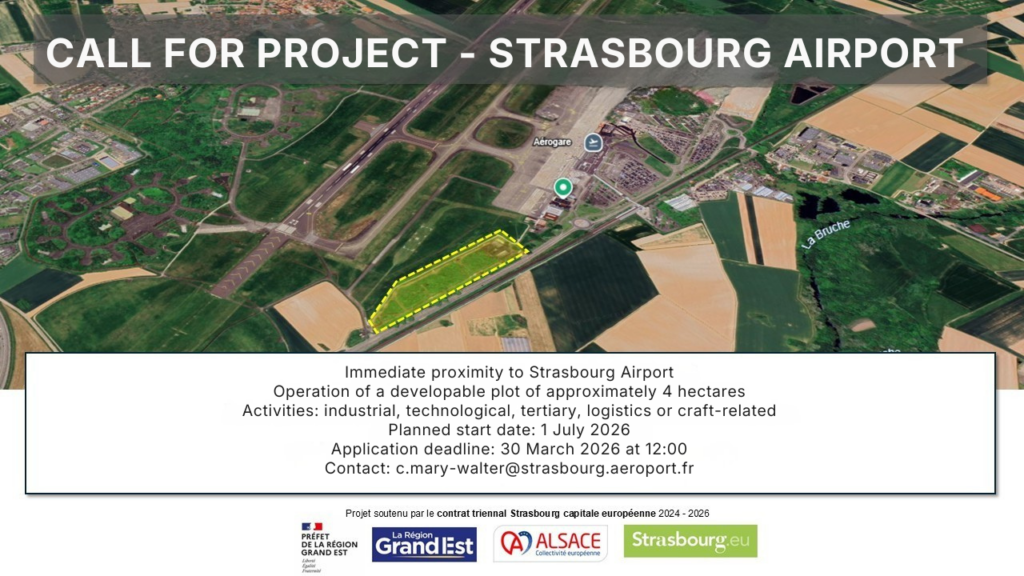
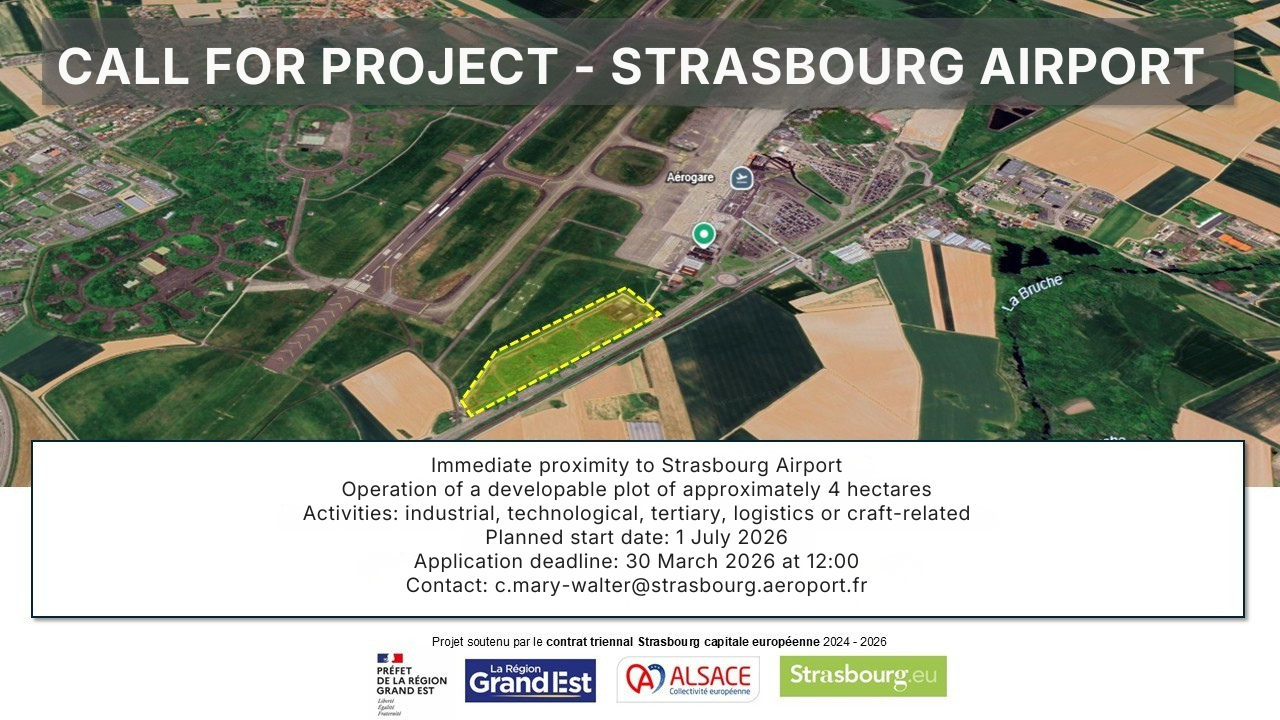
✈️Exclusive Call for Project at Strasbourg Airport (67)
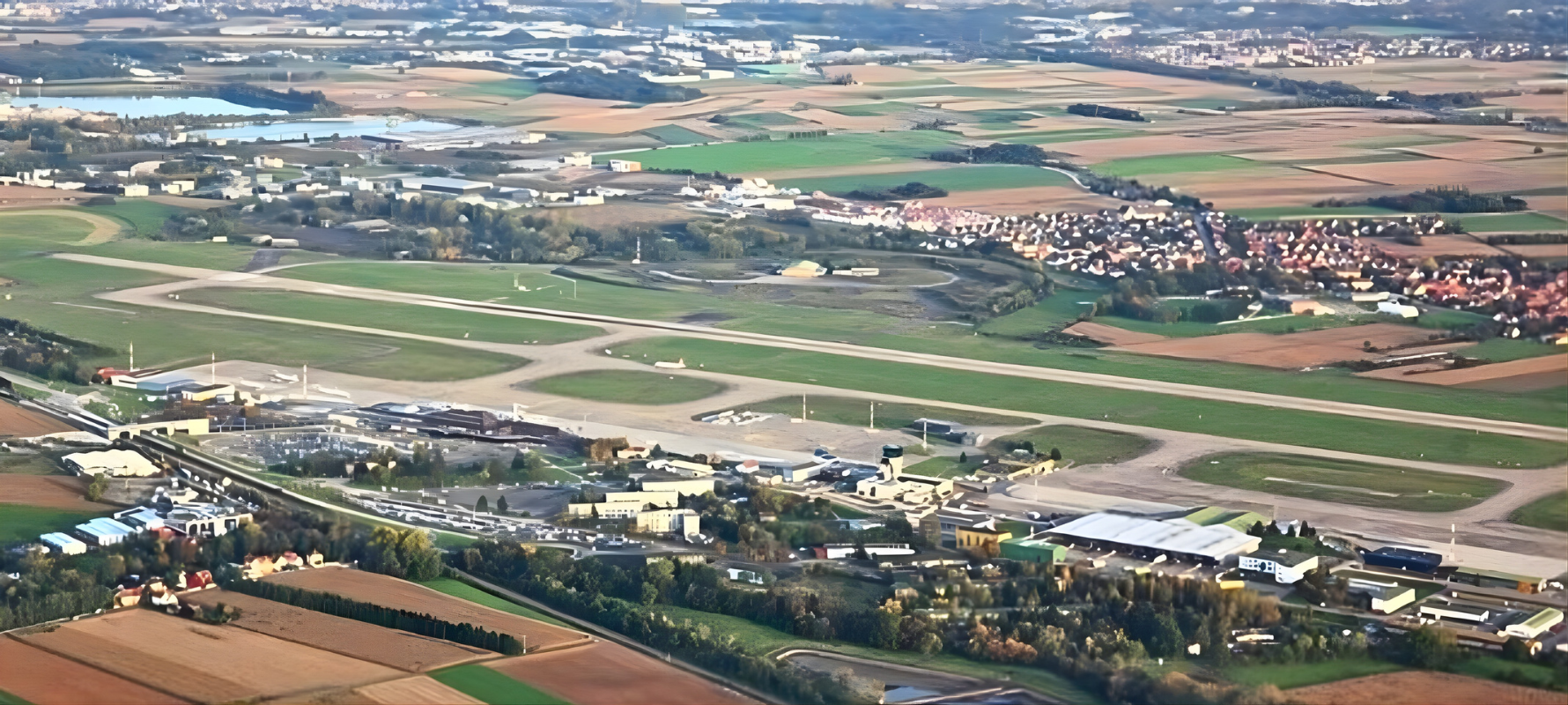
Strasbourg Airport is launching a call for projects to identify a company or economic operator willing to develop its business on a prime, developable plot of approximately 4 hectares, located at the main entrance of the airport platform.
📅 Submission deadline: 30 March 2026 – 12:00 (CET)
A major industrial region in Europe
A dense, diverse, and dynamic network of manufacturers and subcontractors
Eastern France’s long industrial tradition has fostered the rise of major players such as Alstom, Schlumberger, DMC, and Pont-à-Mousson. Today, the region is home to 25,800 industrial companies, making it France’s second‑largest industrial hub. It also remains the country’s third most attractive region for foreign manufacturing investment.
Key industrial fields in the Region
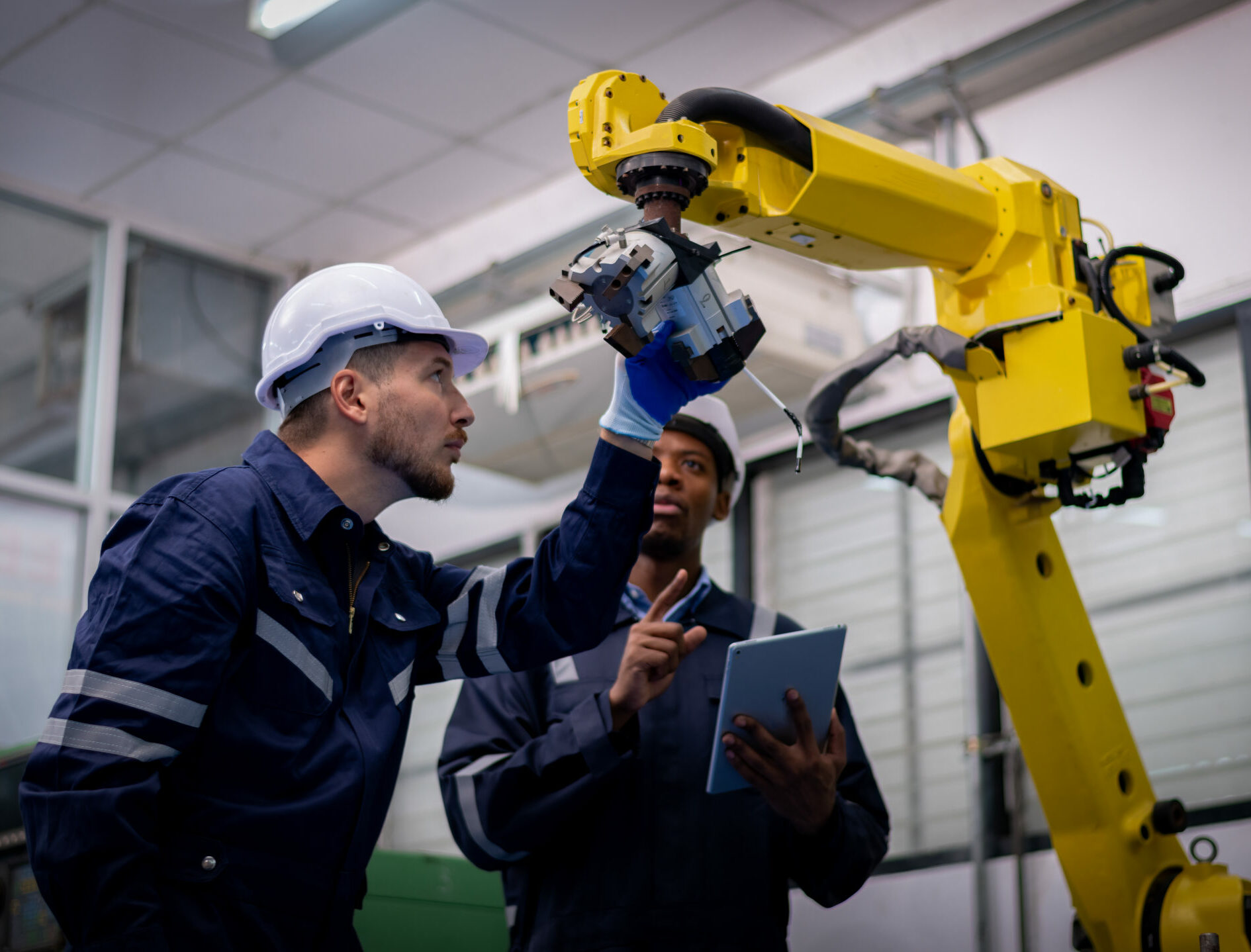
Mechanical engineering: This sector plays a major role in Eastern France, accounting for 20% of industrial employment in the region. Eastern France ranks among the top in France for employment in the automotive, machinery and equipment, metal products, and electrical equipment industries. With 25,679 industrial companies recorded in 2024, this dense network is based on a strong tradition in the automotive, rail, and aeronautics industries. The sector is a particularly promising market for robotics and mechatronics solutions aimed at modernizing and automating production lines.
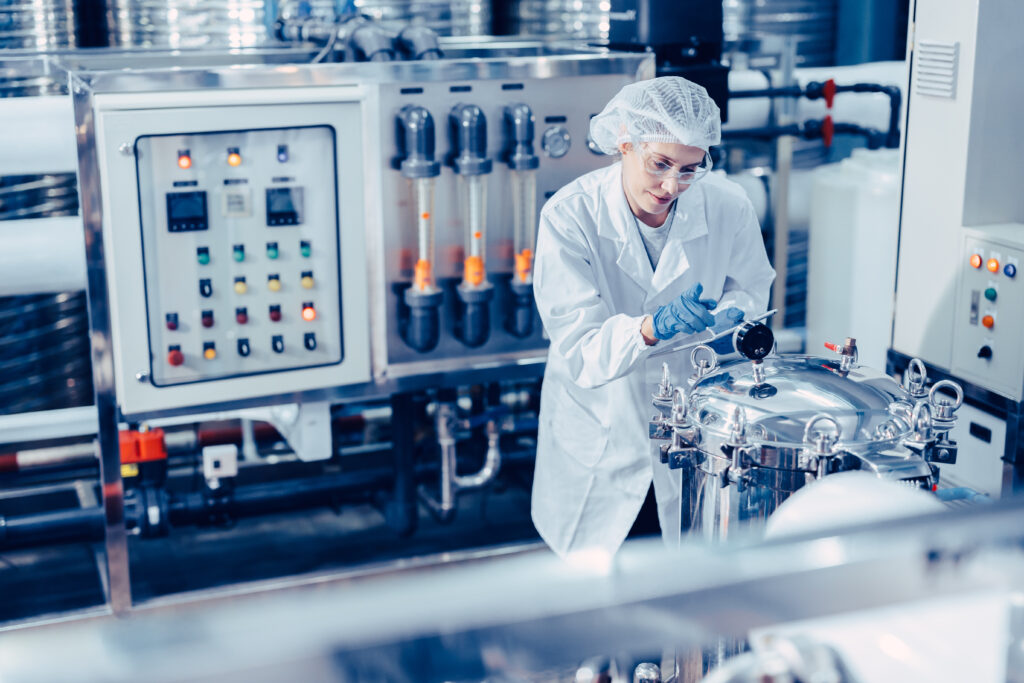
Chemical industry: The chemical field in Grand Est represents 16,000 employees in 400 companies. This sector combines large groups, R&D centers/centers of excellence, and innovative SMEs. Almost 48% of jobs in the field are related to production activities. These activities are particularly well developed in plant chemistry, the bioeconomy, rubber, plastics, recycling, waste recovery, and industrial gases. This concentration of expertise makes the region a leader in specialty chemicals and advanced materials.
Other industrial fields in the Region
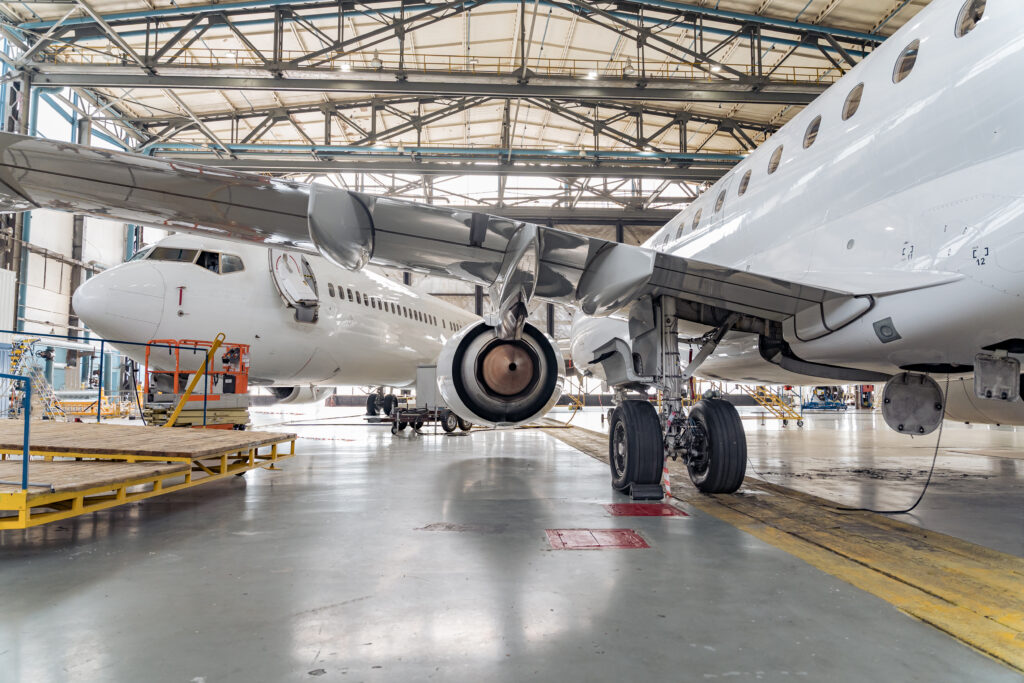
Aerospace industry: The aerospace industry has grown significantly over the last decade in Eastern France. This dynamic has been driven by major companies such as SAFRAN, THALES, LISI, LEACH International, AMPHENOL, and Aresia. This constantly growing ecosystem benefits from a dense network of SMEs and specialized subcontractors. It also benefits from recognized expertise in aerospace parts production, maintenance, engineering, R&D, and support services. This structure strengthens the region’s competitiveness in national and international aerospace markets.
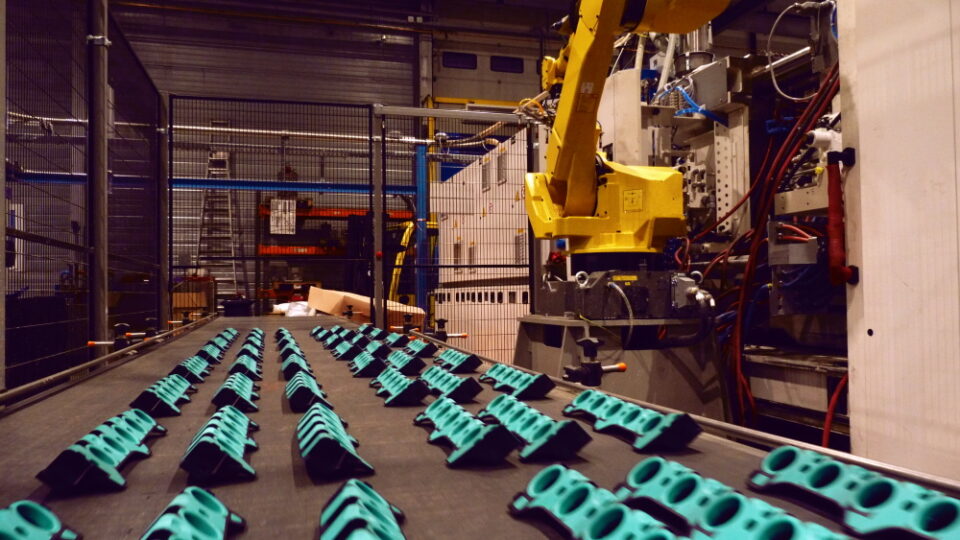
Plastics industry: With nearly 300 companies and more than 12,650 employees, the plastics and composites sector in the Grand Est region accounts for around 11% of the national workforce. Highly diversified, it operates in key markets such as automotive, construction, packaging, cosmetics, and, to a lesser extent, aeronautics and medical. Companies in the sector rely mainly on players in the materials and polymers chemistry sector. These two sectors are essential for product innovation and performance.
Photo Credits : ©Plaxer
French and international industry leaders based in Eastern France






Eastern France: A region with an international perspective
One of France’s top exporting regions
The region’s industrial strength appears in its export performance. With €67.7 billion in exports in 2024, after peaking at €71.8 billion in 2023, Grand Est accounted for 11.8% of French exports, confirming its key role in national foreign trade.
Its strengths are based on very diversified : chemicals, pharmaceuticals, cosmetics, agribusiness, textiles, and materials processing are among the sectors that drive the region’s momentum. Several departments—notably Marne, Moselle, and Ardennes—have significant trade surpluses, reinforcing the region’s export focus.
A welcoming environment for foreign companies
The Grand Est region has become one of France’s top destinations for foreign investment. Between 2021 and 2025, more than 800 international projects have been announced. These should generate 22,500 jobs and over €8 billion in investment.
In 2025, industrial and production projects accounted for nearly half of all foreign direct investment in the region, confirming the area’s attractiveness for high value-added activities.
Over a longer time-range, between 2016 and 2025, Eastern France has welcomed 1,159 international projects, illustrating a solid and sustainable investment dynamic.
Today, the region is home to more than 2,500 subsidiaries of foreign companies, employing 135,000 people, which represents 18% of regional employment—a major economic force that strengthens Eastern France’s position as a strategic hub in Europe. These international companies, representing more than 50 different nationalities, are from all continents, mainly from Europe, North America, and Northeast Asia.
The main countries of origin of foreign investors are:
Germany is Eastern France’s leading economic partner. The region shares a long industrial, cultural, and cross-border history with the country. These ties are strengthened by structured cooperation in the areas of innovation, mobility, energy, and industry. The Grand Est region has even adopted a roadmap to intensify the cooperation with Germany from 2026.
→ Today, more than 800 German companies are established in Eastern France
The United States takes an important place in the region’s industry thanks to a long-standing presence of major players in healthcare, technology, logistics, and agri-food. Eastern France enjoys a strategic location that is very attractive for North American companies seeking direct access to European markets (France, Germany, Benelux).
→ Approximately 210 American companies are located in the region.
Belgium has a direct and historic relationship with Eastern France thanks to intense economic exchanges, particularly with Moselle and the Ardennes. The region’s recent successes also include several large-scale Belgian projects in the bioeconomy and innovative industries.
→ More than 140 Belgian companies are present in Eastern France.
Economic relations between Italy and the Grand Est region are based on long-standing industrial flows (mechanical engineering, materials, agri-food), reinforced by Eastern France’s geographical position on the Great Britain-France-Italy axis, particularly around Reims, a strategic crossing point that is very appreciated by international companies.
→ More than 70 Italian companies are based in the Grand Est region.
Japan has a strong technological and industrial relationship with the Grand Est region, particularly in the fields of healthcare, chemistry, optics, precision engineering, and agricultural equipment. The region is home to several R&D centers and production units belonging to major Japanese companies.
→ 42 Japanese companies are present in the region.
Eastern France: A Land of Expertise and Excellence
An Abundant and Skilled Workforce
With over 300,000 industrial jobs, Eastern France stands among the nation’s leading industrial regions. This strong economic base has fostered a highly qualified workforce, shaped by a long-standing tradition of industrial know‑how and a deeply rooted industrial culture. Looking ahead, more than 138,000 positions will need to be filled by 2030—a challenge that underscores both the vitality of the region’s strategic sectors and the growing need to attract new talent. Here, industry represents nearly 16% of regional GDP, compared with 10% nationally. To support this momentum, companies and professional organizations are working closely with public stakeholders to design targeted training programs, promote the appeal of industrial careers, and ensure the long-term renewal of essential skills.
A significant pool of talent in the region’s engineering schools and universities
The Grand Est region is home to 5 universities, 35 engineering schools, 100 vocational high schools, and 2 European campuses, making it one of Europe’s leading hubs for higher education and professional training. This high‑quality academic ecosystem is driven by strong synergies between public research institutions, laboratories, and the business community, positioning Eastern France as a center for innovation and applied research with high added value.
The Universities of Lorraine and Strasbourg, two of the largest in France, together welcome over 116,000 students. This dynamic academic community forms a rich pool of highly qualified talent, ready to meet the evolving needs of companies across the region and beyond.
The region is also home to several prestigious engineering schools that are recognized in France, Europe, and around the world:
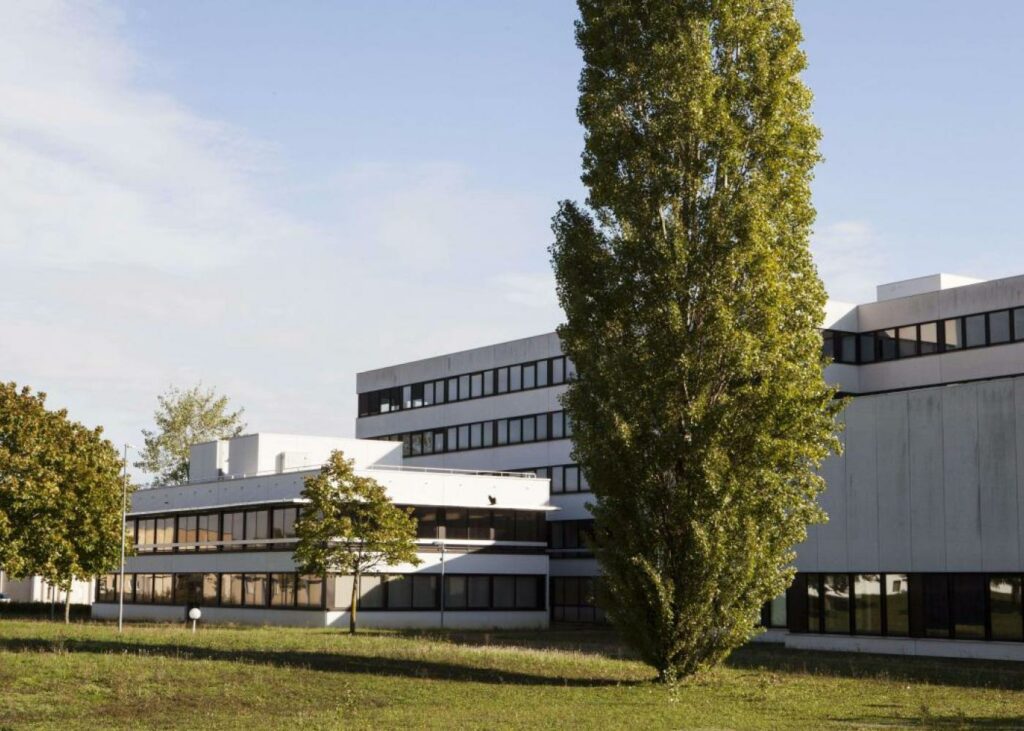
CentraleSupélec – Campus de Metz (Metz – Moselle, 57): Born from the merger between Centrale Paris and Supélec, the Metz campus has become a major player in engineering education in the Grand Est region. Located at the heart of the Metz Technopôle, it benefits from a high‑level scientific and industrial environment.
The school stands out for its programs in physical engineering, computer science, and general engineering, as well as for its strong culture of research and innovation, supported by several internationally recognized laboratories.
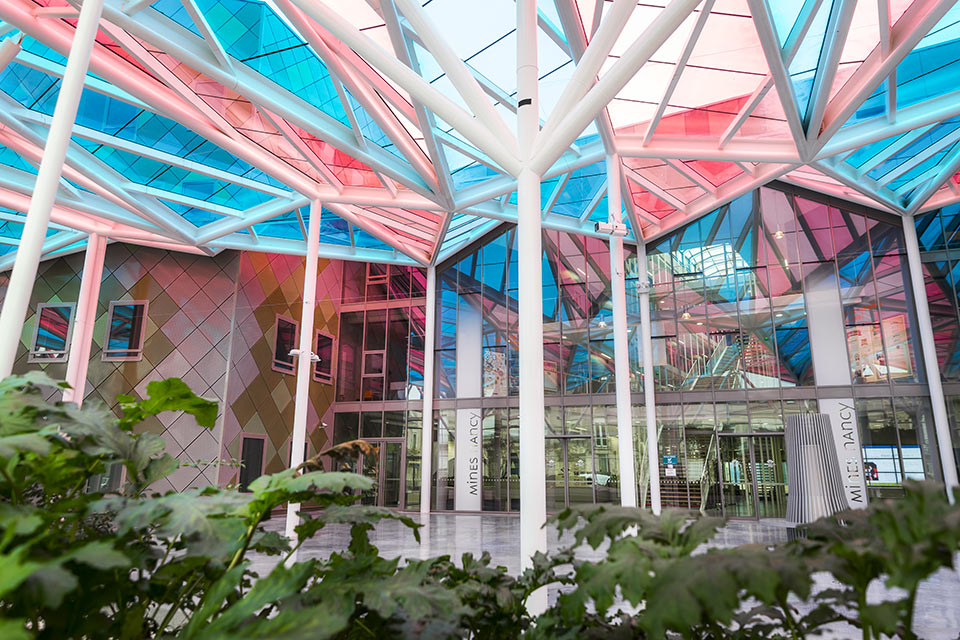
Mines Nancy (Nancy – Meurthe‑et‑Moselle, 54): Ranked among the top engineering schools in the Grand Est region, Mines Nancy enjoys a strong national reputation for its academic excellence and its close partnerships with industry. The school is particularly distinguished for its generalist engineering programs and its expertise in advanced engineering fields, making it a highly sought‑after institution for both students and companies.
Photo credit : ©Raoul Gilibert
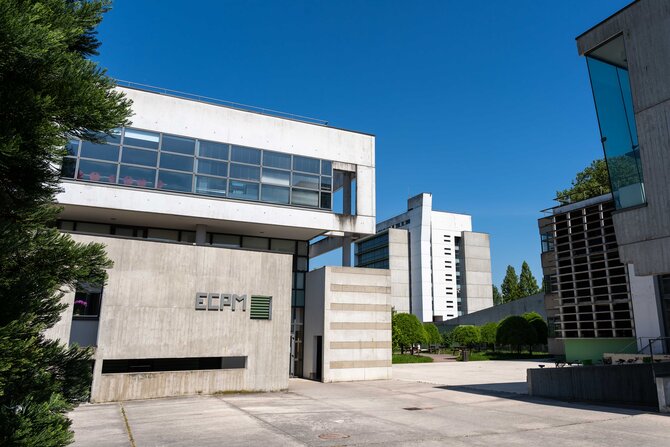
ECPM – École Européenne de Chimie, Polymères et Matériaux (Strasbourg – Bas‑Rhin, 67): ECPM is recognized for its strong expertise in chemistry, materials science, and polymer sciences. The school has a pronounced international outlook and attracts students from around the world. Its close ties with research laboratories and industrial partners strengthen its strategic position in cutting‑edge technologies.
Photo credit : ©Lilia Zanetti
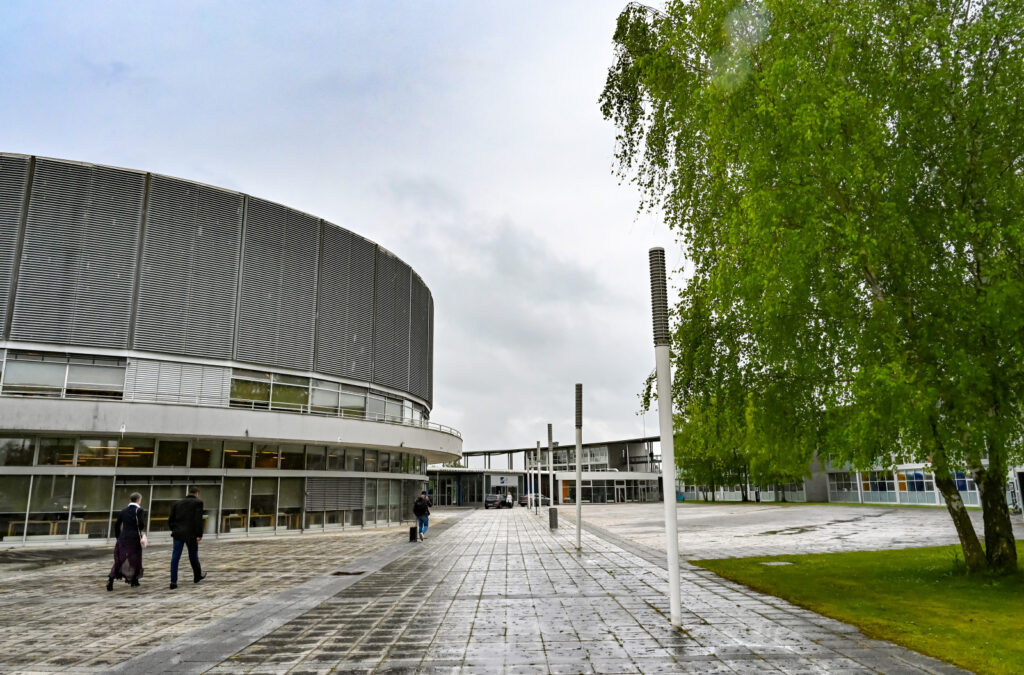
UTT – Université de Technologie de Troyes (Troyes – Aube, 10) :UTT also ranks among the top institutions in the region. Its project‑based learning approach, strong connection to applied research, and wide range of specializations (including computer science, industrial systems, and materials) make it a school highly valued by recruiters.
Photo credit : ©Christophe Manquillet
Eastern France : at the heart of Europe and a pioneer in decarbonization
A region with abundant, carbon-free, and inexpensive resources and energy
A region with abundant resources and energy
The Grand Est region produces nearly 13% of all renewable energy in France, making it the 4th‑largest French region in terms of renewable electricity generation in 2025. The region is also a national leader in the development of several low‑carbon power generation infrastructures, including:
- Solar thermal energy: +16.5% installed capacity in 2022
- Wind power: 2nd region in France in both installed capacity and electricity production
- Biogas: 1st region in France for installed capacity, electricity generation, and biomethane injection
- Wood energy: the region’s leading renewable energy source
- Biofuels: 1st biofuel‑producing region in France
- District heating networks: 130 networks covering a total of 781 km
- Nuclear energy: 3 active nuclear power plants in operation
Affordable energy for industries
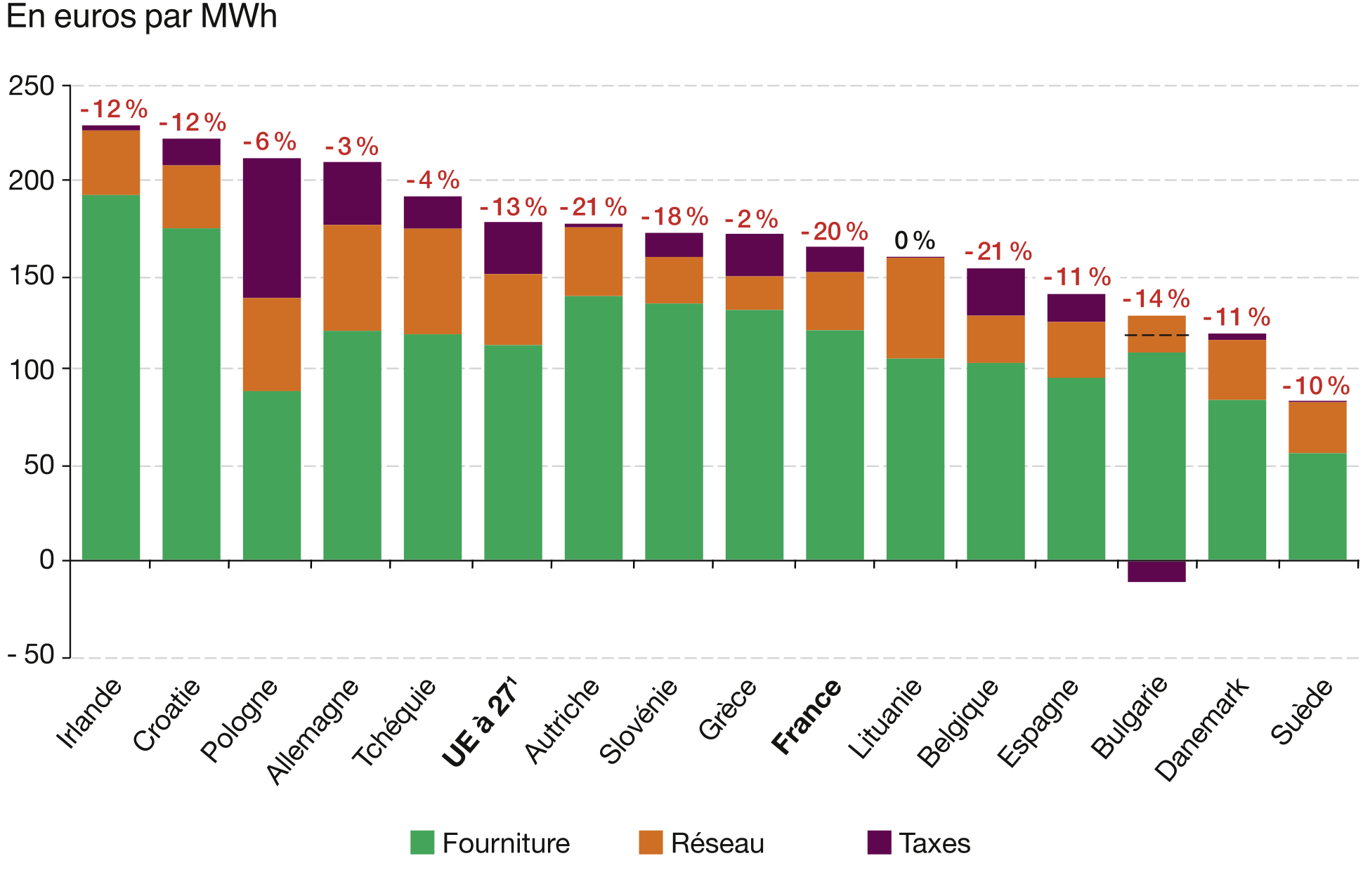
In 2024, France will be among the countries with the lowest MWh prices in the EU 27. The price per MWh will be €165/MWh in 2024, while the European average reaches €177.70/MWh. In the first half of 2025, the SDES recorded a further 2.4% drop in the price per MWh for businesses in France, reaching €161/MWh in July 2025.
At the heart of logistics networks
At the crossroads of European freight
Located at the heart of Europe’s freight networks, the Grand Est region offers exceptional connectivity:
- 2nd‑largest exporting region in France
- 70% of European inland waterway traffic
- The Rhine, Europe’s leading navigable waterway
- Strasbourg, the 2nd‑largest river port in France
- 2nd inland waterway region in France30 multimodal hubs
- 25% of European freight passes through the Grand Est
- 30 hydrogen refueling stations planned in the region by 2030
- A wide variety of infrastructure spread across the entire territory.
High‑Performance Transport and Logistics Infrastructure
This unique geographical position, combined with extensive, modern logistics infrastructure, makes the Grand Est a major European logistics hub.
- 2 airports in the French top 10 for freight:
- Basel–Mulhouse and Paris–Vatry
- 4,700 logistics companies, employing 108,700 people
- 1,300 km of motorways, complemented by a dense national and departmental road network
- Three European TEN‑T freight corridors cross and intersect within the region
- 23 multimodal platforms and 200 connected rail freight terminals (ITE) supported by a €20 million regional funding program
Towards Decarbonized Logistics
The region relies on multimodal infrastructure to support the transition toward low‑carbon freight solutions:
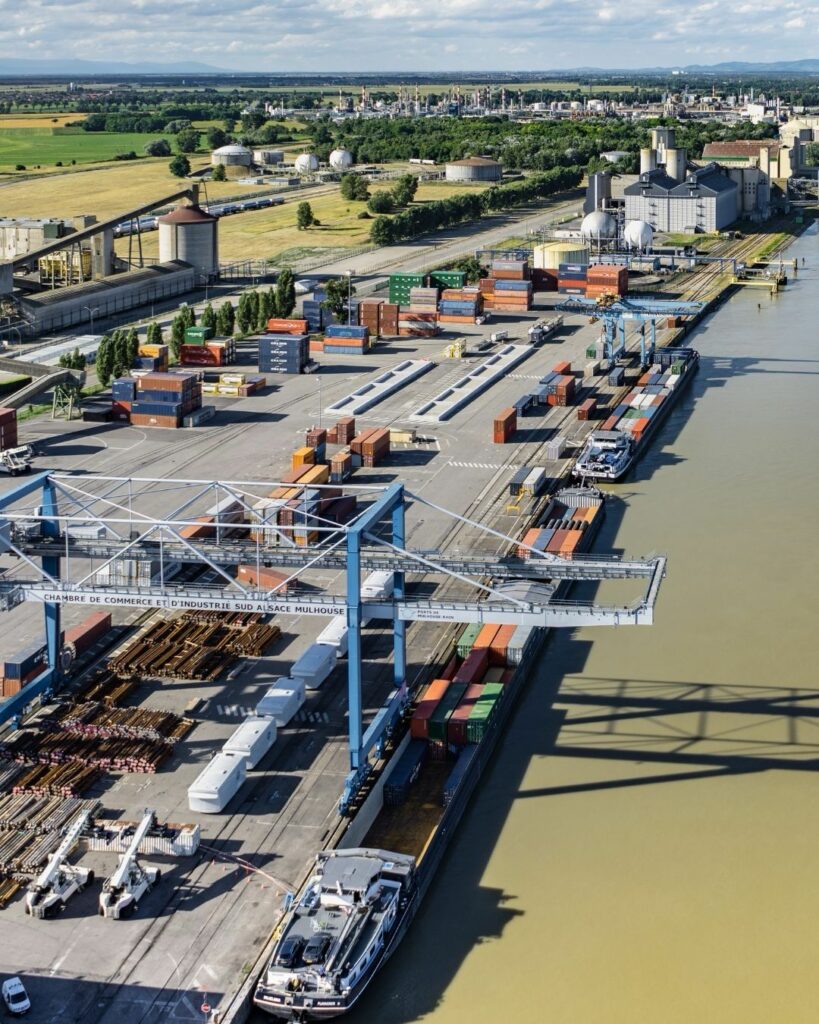
- The Grand Est region has 200 intermodal terminals and provides subsidies for the development of new rail terminals directly connected to industrial sites, through a €20 million support program aimed at boosting decarbonized freight.
- 23 multimodal platforms (Road–Rail–River–Air) distributed across the territory enable more cost‑efficient, more effective, and less polluting transportation solution
Photo credit : ©EURO RHEIN PORTS
Available, well-connected, and accessible real estate opportunities
In Grand Est, commercial real estate costs remain among the most affordable in France—a real asset for companies in the process of setting up or expanding. With princes averages of €142/m² for offices and of €84/m² for industrial premises, the region is well below the standards observed in other major French regions.
This advantage is largely due to the size of the region and the availability of land, particularly in strategic logistics and industrial areas that are well connected to major European transport routes. This rare combination of low costs and premium locations creates a particularly favorable environment for developing industrial, logistics, and service sector activities.
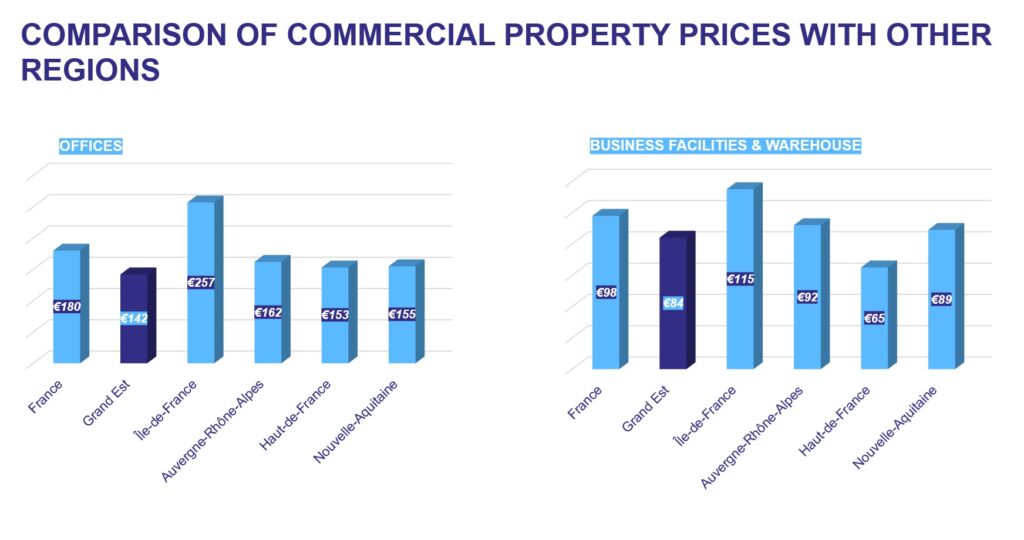
Thanks to these many major advantages, in terms of logistics, energy, and land, the Grand Est region has established itself as one of France’s leading industrial regions and exporters of manufactured goods.
At the forefront of innovation in Industry 5.0 – Advanced Manufacturing Industry
In this dense industrial environment, and aware of the major changes currently underway, economic and institutional players in Eastern France have chosen to invest in transforming their productive fabric in order to respond to the new challenges posed by major industrial, environmental, and digital changes.
Start-ups and technology transfers
Thanks to a network of incubators and SATTs (Technology Transfer Acceleration Companies) interconnected throughout the region, the region is home to numerous innovative projects and start-ups in the incubation phase. The solutions developed by these players are intended to be implemented in local industries. Their goal? To optimize value chains and production processes. Initiatives such as Quest for Industry and SATT Conectus play a key role in this dynamic. They aim to accelerate technology transfers to industrial companies.
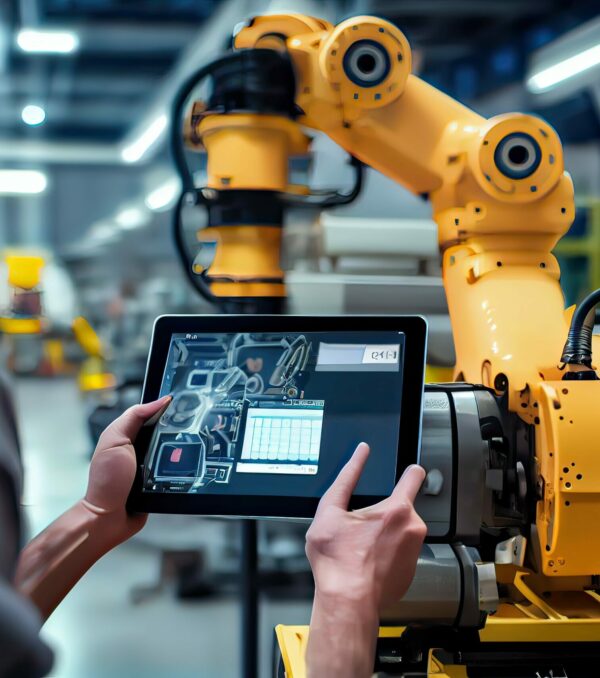
Quest for Industry
Among the 260 start-ups incubated in Eastern France, nearly 90 specialize in hardware and software solutions for the industry. They benefit from the support of Quest for Industry, the thematic incubator of the Quest for Change network dedicated to industrial projects.
Thanks to its structure entirely dedicated to industrial innovation, Quest for Industry supports entrepreneurs from the early stages of prototyping to the creation of their first production unit. The incubator thus contributes to strengthening the industrial attractiveness of the region and accelerating the emergence of new technologies for the industry of the future.
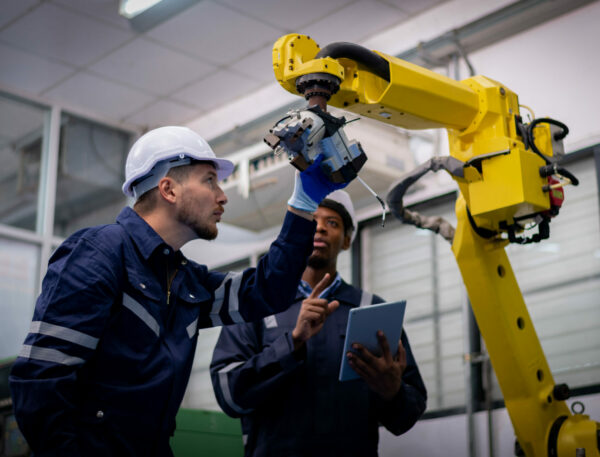
SATT Connectus
Conectus, one of the 13 French SATTs in the National SATT Network, supports the commercialization of public research. In the Grand Est region, it finances innovative research projects, secures intellectual property, and facilitates partnerships between laboratories and companies.
Its work draws on the scientific excellence of the region, particularly in Alsace, to transform innovations into concrete solutions for the market.
Highly connected industrial communities around Industry 5.0
With its structured advanced manufacturing ecosystem, the Grand Est region brings together manufacturers, clusters, hubs, and innovation centers to accelerate the Industry of the Future.
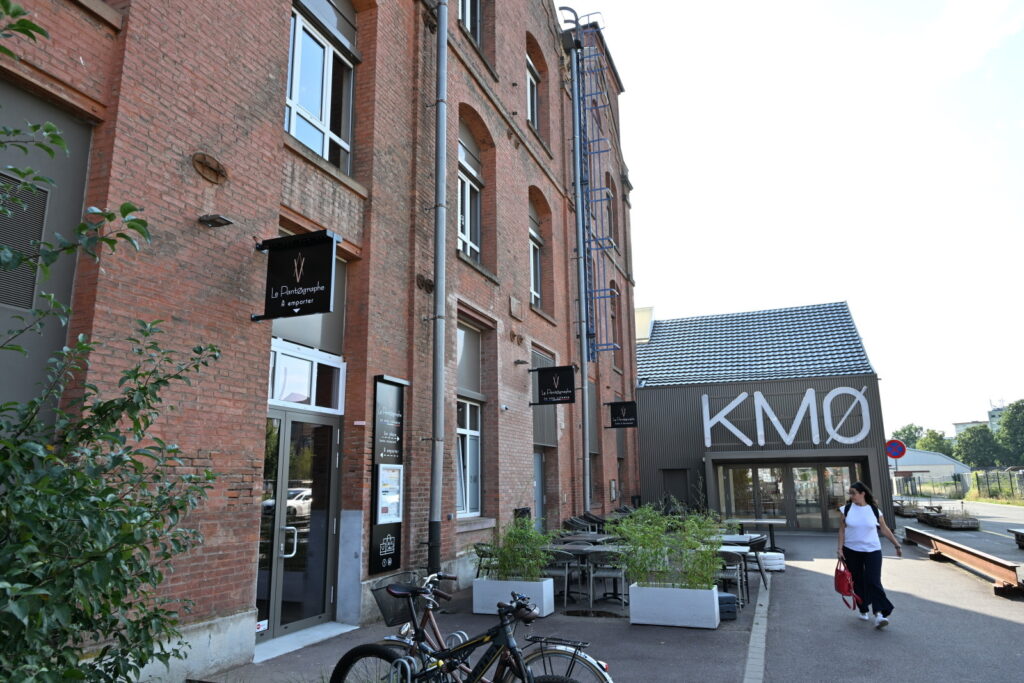
KMØ – Industrial digitalisation
KMØ, located in the heart of the former SACM factory in Mulhouse, brings together startups, manufacturers, and schools to accelerate the digital transformation of industry. The site enables the concrete development of Industry 4.0 solutions. These include process optimization, data & IoT, and prototyping using new technologies. This is made possible by an ecosystem of more than 70 companies and initiatives such as the Club des Locomotives. These structures connect industrial needs and digital expertise.
Photo Credit : ©Stadler / Région Grand Est
Industry 5.0 builds on the foundations laid by Industry 4.0—automation, digitalization, simulation, and energy optimization—by adding a strong focus on corporate social responsibility.
Its ambition is to reduce the industrial carbon footprint through smarter use of energy, raw materials, and production flows. This new stage also places people at the center of technological innovation: operators become key contributors within production systems that integrate AI, collaborative robots, and intelligent interfaces.
Industry 5.0 therefore promotes more sustainable, resilient, and ergonomic industrial environments, where high performance and social responsibility reinforce one another
Additive Manufacturing Community
Eastern France supports the emergence of the additive manufacturing industry . This industry can rely on a specialized cluster in the region: the “Additive Manufacturing Community.” This network brings together nearly a hundred players, including 40 companies, several higher education institutions, and research laboratories. Together, they cover the entire value chain and help to structure the regional 3D printing sector.

With its structured advanced manufacturing ecosystem, Eastern France brings together manufacturers, clusters, hubs, and innovation centers to accelerate the Industry of the Future.

Le Pôle Véhicule du Futur
Certified as a competitiveness cluster since 2005, the Pôle Véhicule du Futur (“Vehicle of the Future”-Cluster) is an association dedicated to the development of innovative mobility solutions. Its goal is to strengthen collaboration between companies, educational institutions, and research centers.
It brings together and coordinates an ecosystem of more than 400 members in the eastern quarter of France. This covers the Bourgogne-Franche-Comté and Grand Est regions.
The Nogentech Cluster
The NOGENTECH cluster brings together industrial companies from the Haute-Marne department. Its role is to support the development of the industrial sector through various promotional initiatives, carried out in close collaboration with regional stakeholders in research, training, and economic development.
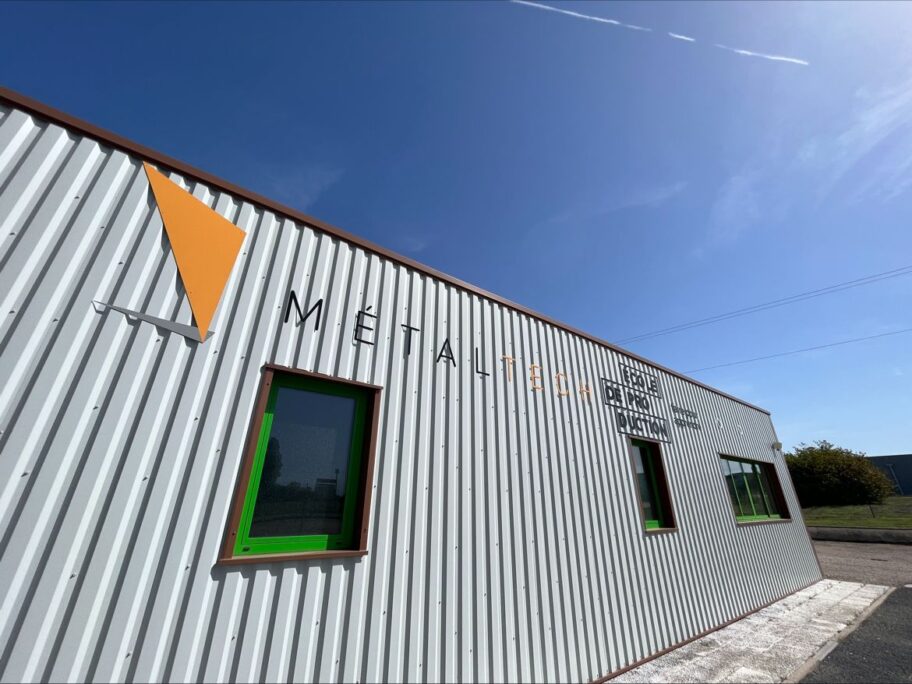
The cluster includes 54 companies from southern Champagne. With more than 35% of the world’s production of orthopedic implants and instruments, its “Prosthesis Valley” division brings together leading manufacturers of implantable medical devices, such as Viant Medical, B. Braun Aesculap, Marle, C2F Implants, and Maire-Didier. The cluster is recognized as an Industrial Territory and is part of the French Tech network. Its flagship building is located within the Pôle Technologique 52 technology park.
© Métaltech-edp52
Digital and AI: Driving Industry Performance
Leading research and innovation ecosystems
The Grand Est region benefits from strong resources and talent enabling the development of numerous AI applications in fields such as healthcare and industry. Its unique geographical position also gives it a key role at both Franco‑German and European levels.
Key figures for industrial research in Grand Est
- More than 400 scientists and 400 PhDs fully dedicated to artificial intelligence
- Cross‑border partnerships already underway: DFKI, Saarland University, Clinnova (Luxembourg)
- Participation in major European university networks: EUCOR, EPICUR, Eureca‑Pro, UniGR
- A regional innovation ecosystem with strong AI expertise for healthcare and industry
- Leading academic chairs and joint research programs: National Institute for Research in Digital Science and Technology, SDIA Chair, AIARD
Universities committed to training the AI talent of tomorrow
The region’s main universities now offer advanced programs dedicated to AI. These include:
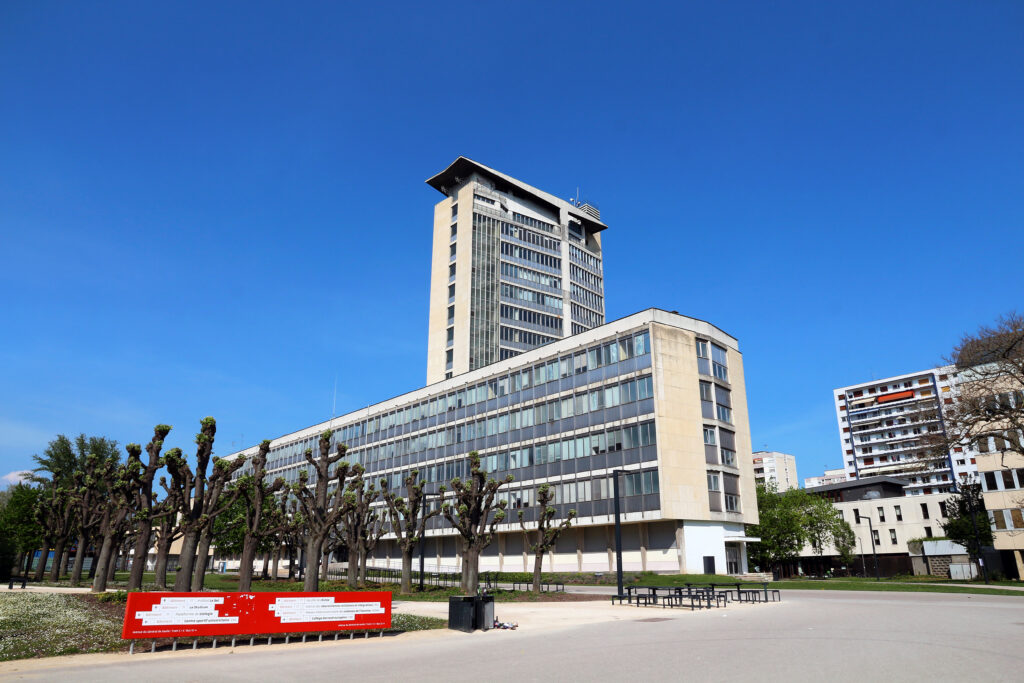
University of Strasbourg:
Master’s programs in AI – 15 research teams (170 researchers) and 130 PhDs currently in progress
University of Lorraine: 9 specialized AI master’s programs – 18 research teams – 104 PhD candidates
University of Technology of Troyes (UTT): 4 AI master’s programs – 4 research teams and 74 researchers
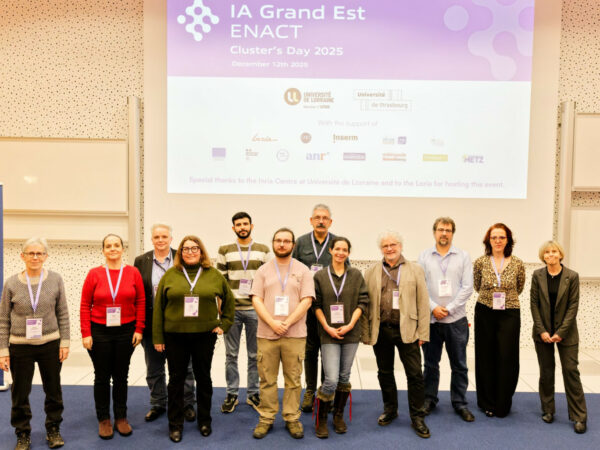
IA Grand Est ENACT
IA Grand Est ENACT aims to position the Grand Est Region as a European leader in artificial intelligence by structuring and strengthening the ecosystems of training, research, and innovation.
Goals :
- Double the total number of students enrolled in high‑level AI programs.
- Support these training programs by facilitating the development of practical applications, especially through data challenges and hackathons carried out in collaboration with industry, and embedded within ethical and legal training frameworks.
Quantified targets for 2030
At the heart of collaborative research between industry and academia
Eastern France relies on a dynamic ecosystem where laboratories, technology platforms, and innovation spaces work closely with businesses. This environment promotes the joint development of projects in artificial intelligence, robotics, imaging, and the industry of the future. The structures presented below illustrate this complementarity between academic research and industrial needs.
IRIMAS – Université de Haute-Alsace
This interdisciplinary institute brings together all research in mathematics, computer science, electronics, electrical engineering, automation, and signal and image processing at the University of Haute-Alsace, particularly around the development of a platform dedicated to autonomous vehicles.
Creativ’Lab Platform
The Lorraine Laboratory for Research in Computer Science and its Applications (Loria), UMR 7503, bringing together the CNRS, the University of Lorraine, CentraleSupélec, and Inria, has been conducting fundamental and applied research in computer science since 1997.
Le Loria
This is a platform developed by the Loria laboratory (UMR 7503) dedicated to robotics, cyber-physical systems, and human-machine interactions, developed in partnership with Inria, the CNRS, and the University of Lorraine.
Icube
The laboratory brings together two scientific communities at the interface between the digital and physical worlds, giving it a unique configuration. United by imaging, ICube focuses its applications on engineering for health, the environment, and sustainable development. Researchers there engage in extensive partnerships with start-ups, SMEs, mid-cap companies, and large groups in France and internationally.
Digital Lab
This is a research and development laboratory that integrates technologies aimed at improving the reliability, safety, and operational efficiency of various production processes, particularly in the steel/iron industry.
Englab by T&S
The Strasbourg-based integrator is currently developing an experimental production line that combines human-machine collaboration, artificial intelligence, and automation to find optimization solutions in manufacturing processes.
These properties might interest you
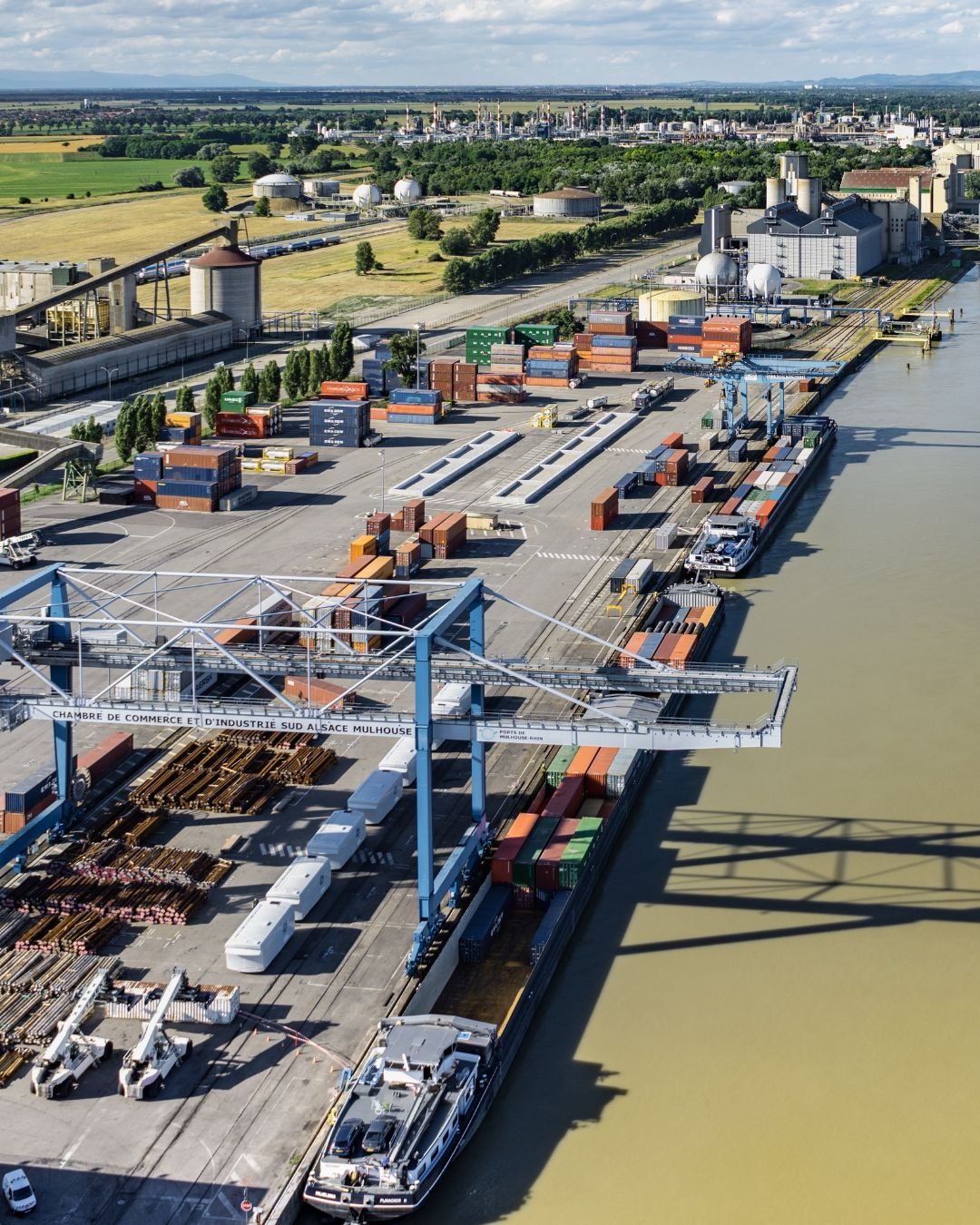
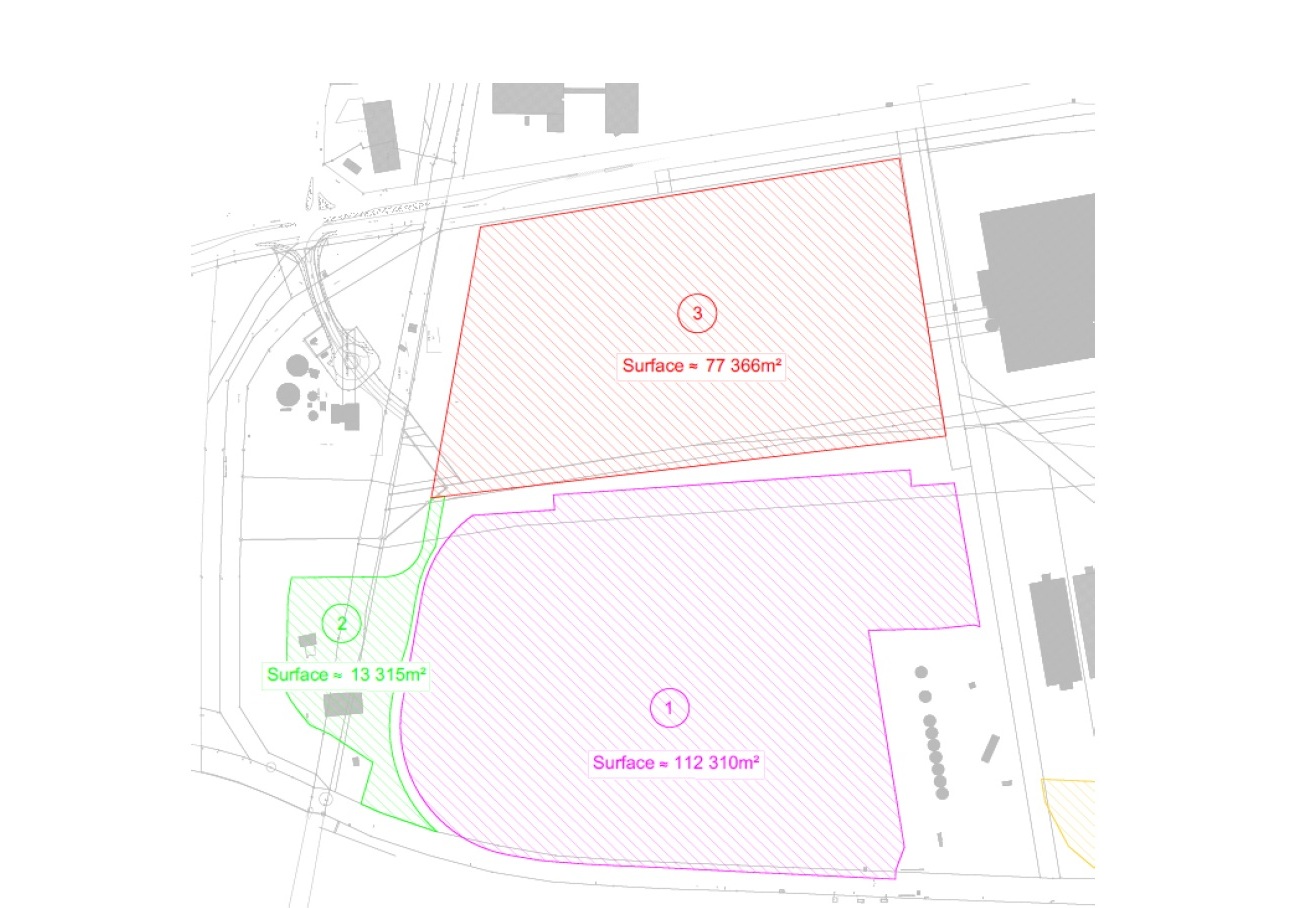
Call for Expression of Interest at Ottmarsheim Port Site – A Major Logistics Hub in Europe (68)
Description :
EURO RHEIN PORTS has launched a Call for Expressions of Interest (CEI) to identify new logistics, industrial, or mixed-use projects directly connected to inland waterways, on the strategic Ottmarsheim port…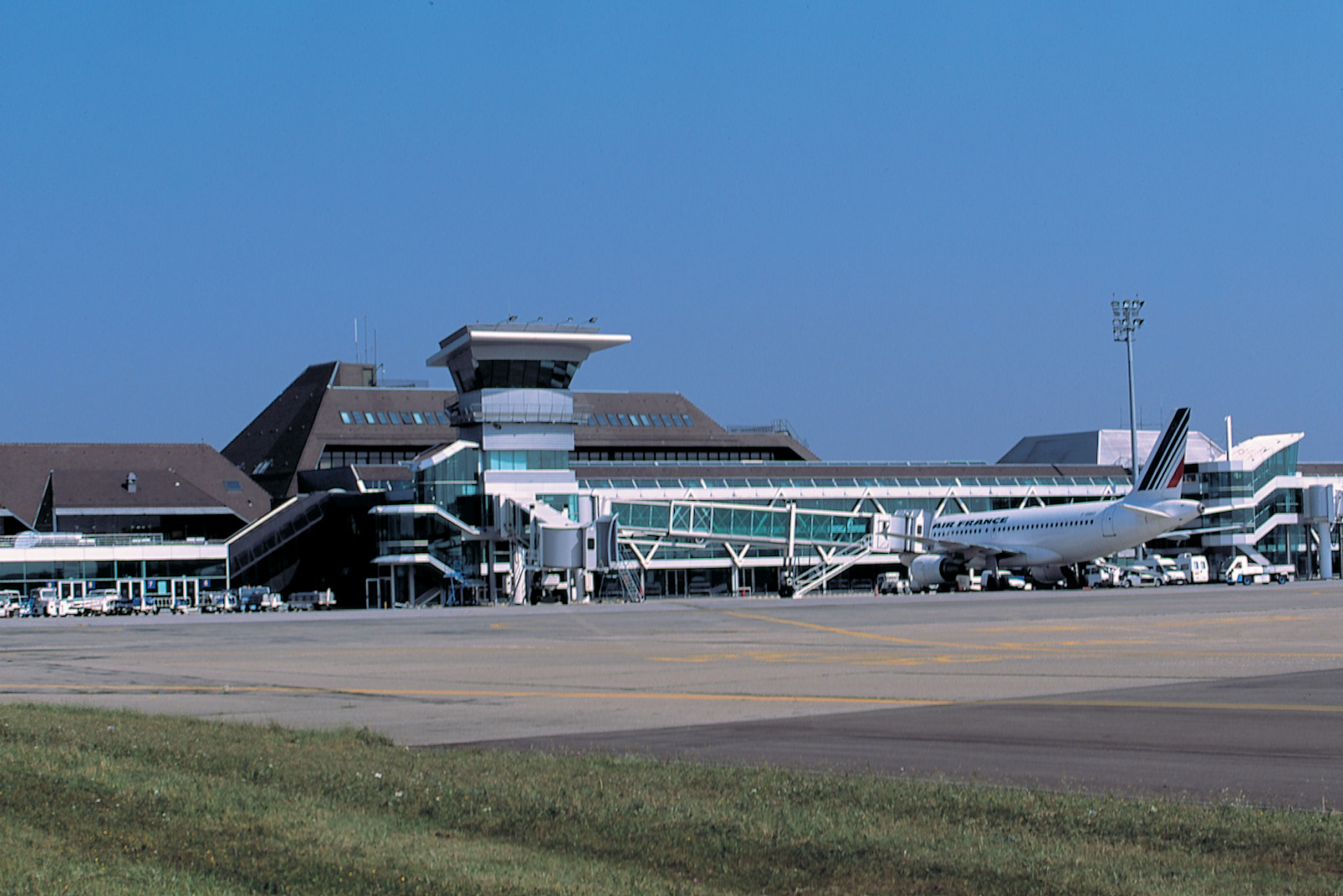
Exclusive Call for Projects at Strasbourg Airport (67)
Description :
Strasbourg Airport is launching a call for projects to identify a company or economic operator willing to develop its business on a prime, developable plot of approximately 4 hectares, located…News that might interest you
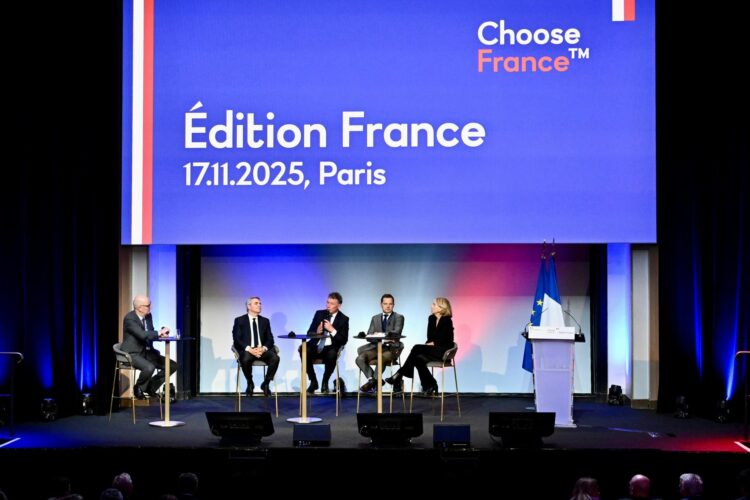
Choose France 2025 : Eastern France Ranks 2nd for Domestic Investments
Posted on 18 December 2025
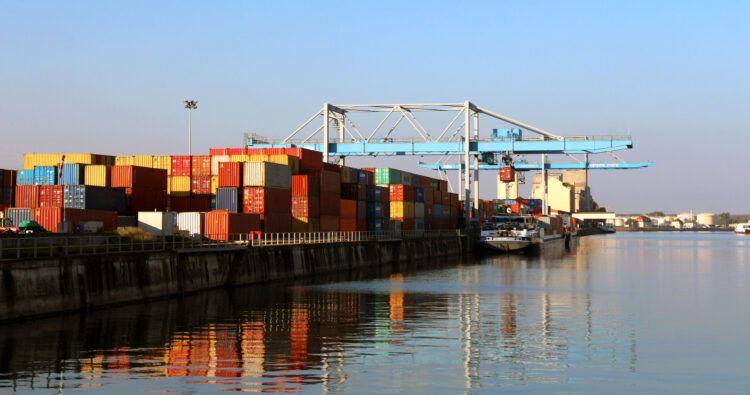
Eastern France: A Driving Region in Exports in First Half of 2025
Posted on 2 December 2025
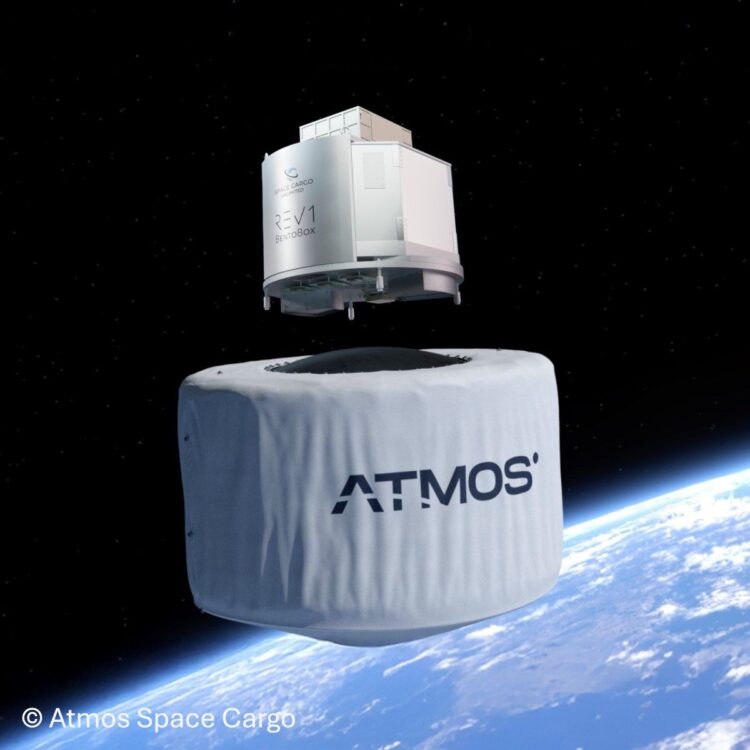
Atmos Space Cargo has established its R&D Center in Eastern France
Posted on 12 November 2025