
Quantum Technologies in Eastern France

Quantum technologies have been identified as a key strategic area for France, the whole of Europe, and many other countries. France has the main assets to establish itself as a major scientific and industrial competitor in quantum technologies, notably thanks to the historical positioning of its research on various key technological components, its pioneering industries, and its dynamic ecosystem of startups.
In this context, a budget of €1.8 billion was allocated by France to launch the “quantum plan” starting in 2021 over a period of five years. This plan aims to develop research in this field and attract investors from around the world to tackle quantum challenges from France.
A call for projects to establish 5 quantum hubs in France was also launched in the summer of 2024, with the main mission of facilitating technology transfer between our universities and industries on the main theme of quantum computing. One of the 5 quantum hubs was inaugurated in the Region Grand Est on the 4th of March 2025.
Eastern France at the Forefront of Quantum Technologies
Academic Expertise in Quantum Technologies
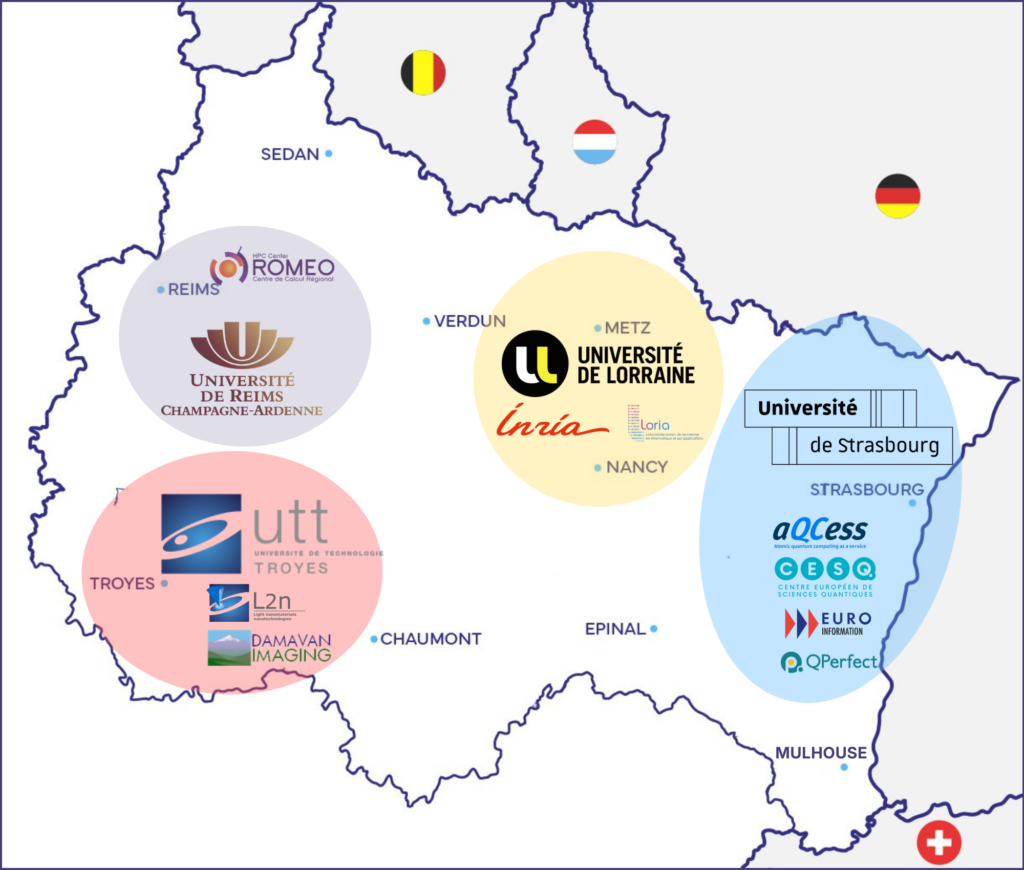
Eastern France stands out as a major hub for quantum research, driven by the combined strengths of four universities—UL, Unistra, URCA, and UTT—each contributing key expertise that spans algorithms, quantum computing platforms, high‑performance simulation, and advanced photonics.
UL (University of Lorraine)
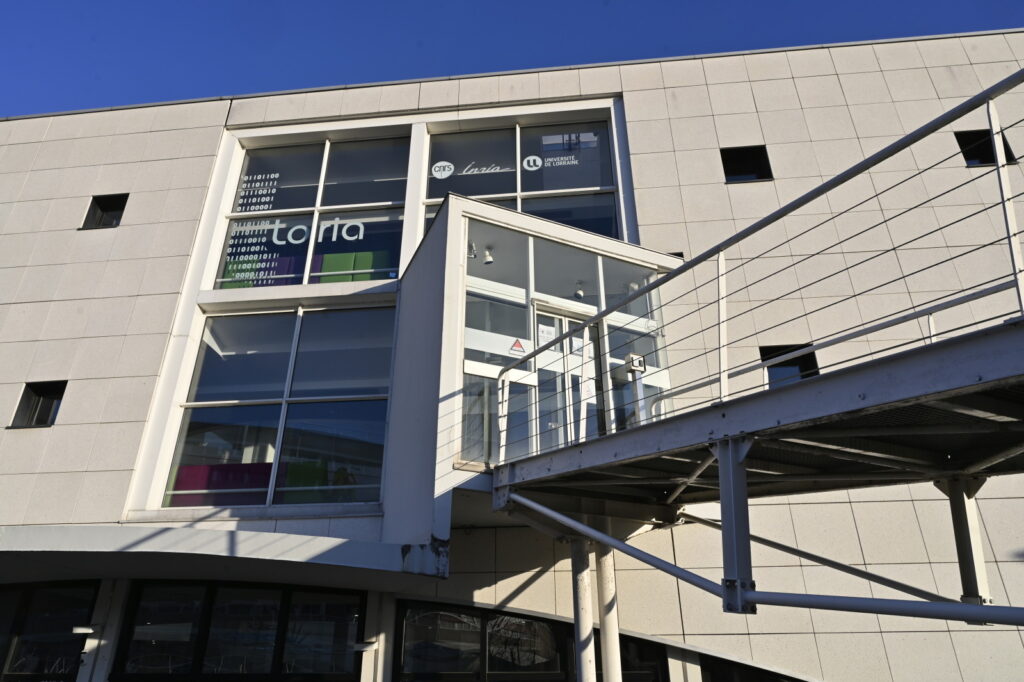
The University of Lorraine is a partner institution of several research labs and programs, including LORIA and its MOCQA team, which work on algorithmics and advanced computational models.
Photo credit : © Stadler – Région Grand Est
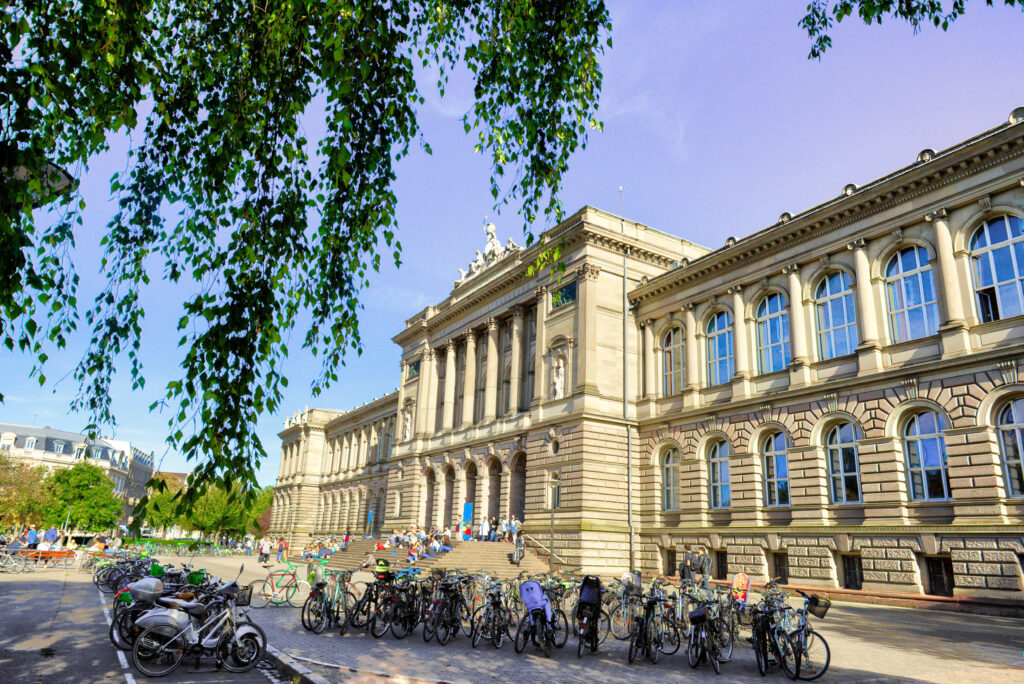
University of Strasbourg
Unistra is the lead institution of the aQCess project which aims to develop a new type of quantum computer based on ultra‑cold Rydberg atoms.
QPerfect, a startup supported by Unistra, develops a high‑performance quantum simulator (MIMIQ) to help design and test quantum computers.
URCA (Reims)
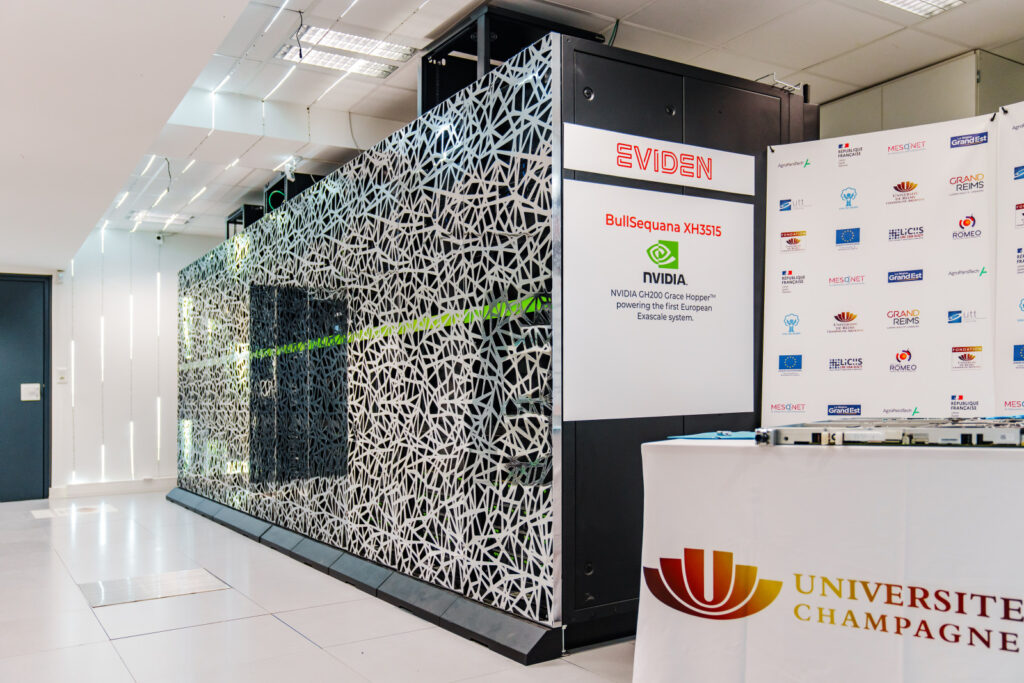
URCA operates the ROMEO regional computing center, which hosts a supercomputer provided by Eviden (Atos Group). The most recent version (2024) is a BullSequana XH3000 system.
Photo credit : © C. Beudot – Région Grand Est
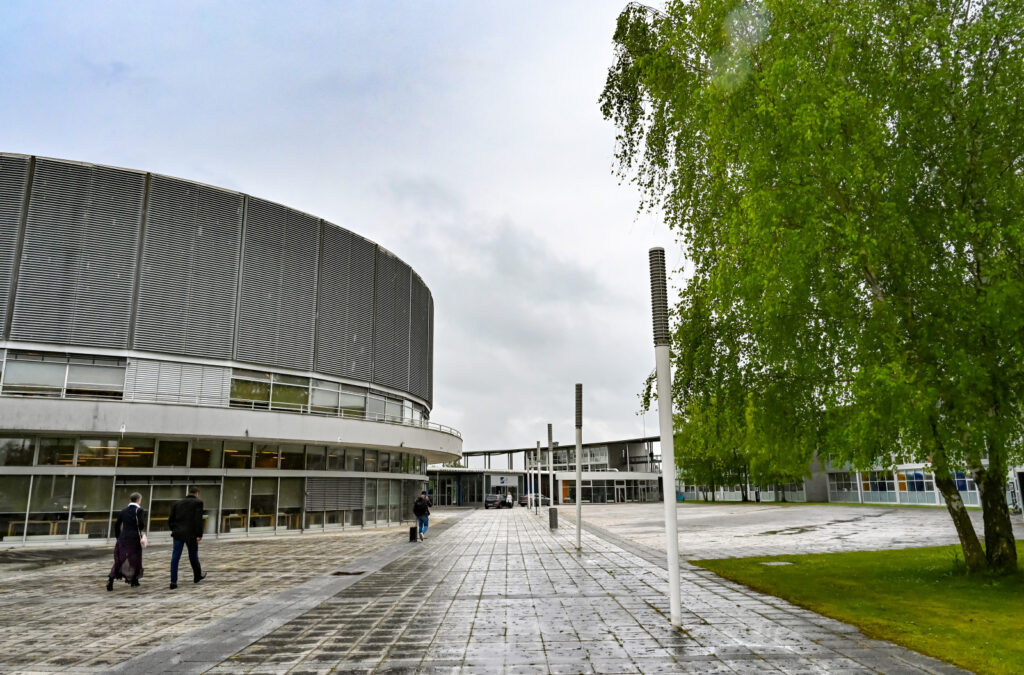
UTT (Troyes)
UTT (Troyes) conducts research in photonics, including work on photonic technologies for transmission between quantum computers.
Photo credit : © Christophe Manquillet
Three major areas are the subject of advanced studies in the field of quantum technologies in Eastern France:
Physics
- Nanoscience Research Laboratory (LRN) (Reims)
- Rydberg atom (physics, electron), Theoretical Chemistry (Strasbourg)
- Photonics at UTT (Troyes)
- Jean Lamour Institute on materials, University of Lorraine (Nancy)
Mathematics
Computer Science
- URCA with Captiva – ATOS quantum simulator (Reims)
- UNISTRA – AQCESS project (Strasbourg)
Institut de Photonique
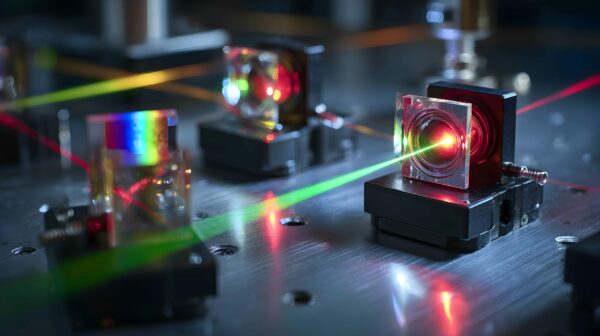
The Photonics Institute stands as a truly unique center of excellence in Europe, bringing together universities, innovative companies and key innovation stakeholders around a shared ambition: accelerating the development of next‑generation photonic technologies. This strategic network strengthens collaboration between research, industry and education, positioning photonics as a major driver of progress in science, engineering and advanced technologies.
Key figures
The European Center for Quantum Sciences (CESQ), International Cooperation in the Service of Quantum Science
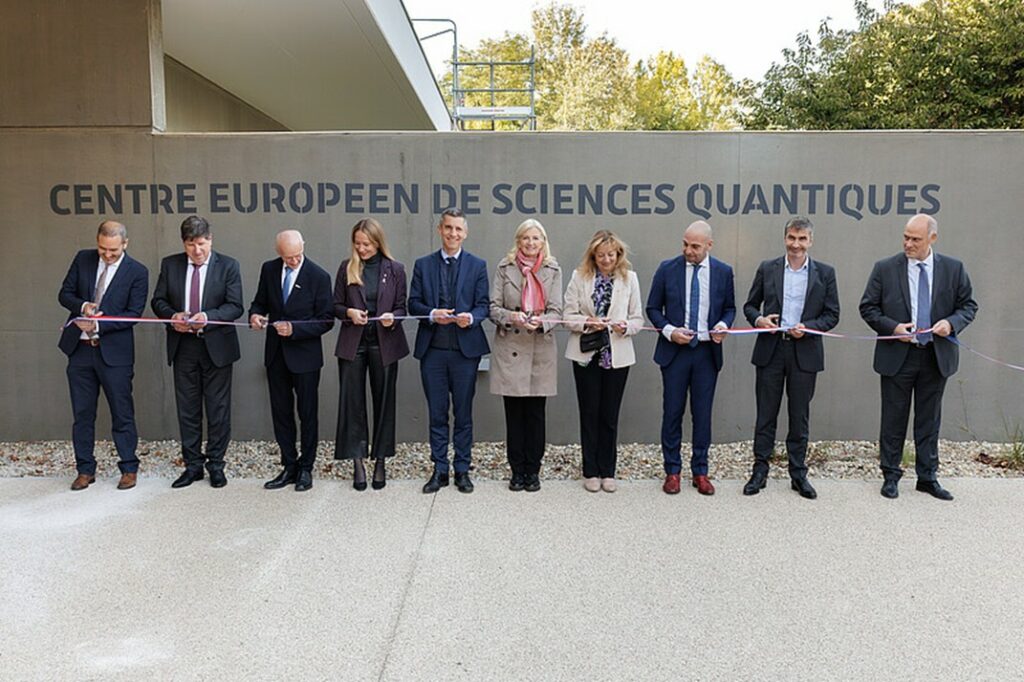
As an international center of excellence, the CESQ was inaugurated in October 2023 at the University of Strasbourg in collaboration with the French National Centre for Scientific Research (CNRS). It brings together 31 international researchers and engineers in the fields of experimental, theoretical, and applied quantum sciences, including:
- Quantum physics,
- Chemistry,
- Materials science,
- Photonics,
- and Computing.
Technology transfer and the creation of startups are highly encouraged, with the presence of the startup Qperfect, which developed a high-performance quantum simulator. The AQCESS quantum computing platform is also open to academics and industry professionals, offering 400 high-quality atomic qubits.
This is a major new tool for research, international cooperation (notably through the partnership with the Karlsruhe Institute of Technology (KIT) within the framework of EUCOR – The European Campus), and innovation, promising cutting-edge technologies with extraordinary potential that will revolutionize society.
The European Center for Quantum Sciences (CESQ) has also been leading the Grand Est Quantum House (MaQuEst) project since March 2025. MaQuEst is part of the national network of Quantum Houses and focuses on quantum computing and hybrid HPC–quantum computing.
MaQuEst – Maison du Quantique Grand Est (Eastern France Quantum Hub)
The uThe Universities of Strasbourg (coordinator), Troyes University of Technology (co‑coordinator), Université de Lorraine, and Université de Reims Champagne‑Ardenne were selected through the national call for projects dedicated to the establishment of Quantum Hubs in France. This initiative led to the launch, in March 2025, of the Grand Est Quantum Hubs (MaQuEst), hosted by the European Center for Quantum Sciences (CESQ).
MaQuEst is part of the national network of Quantum Hubs and focuses on quantum computing and hybrid HPC–quantum computing.
The Eastern France Quantum Hub pursues three main objectives:
- technology transfer to industry, through collaborative projects as well as awareness‑raising and training activities tailored to professionals;
- support for innovation and startup creation in the field of quantum computing;
- training of engineers, researchers and academics in the development and use of hybrid computing technologies.
All these actions aim to build a sustainable quantum ecosystem in the Grand Est region, while leveraging cross‑border cooperation with Germany and Switzerland.
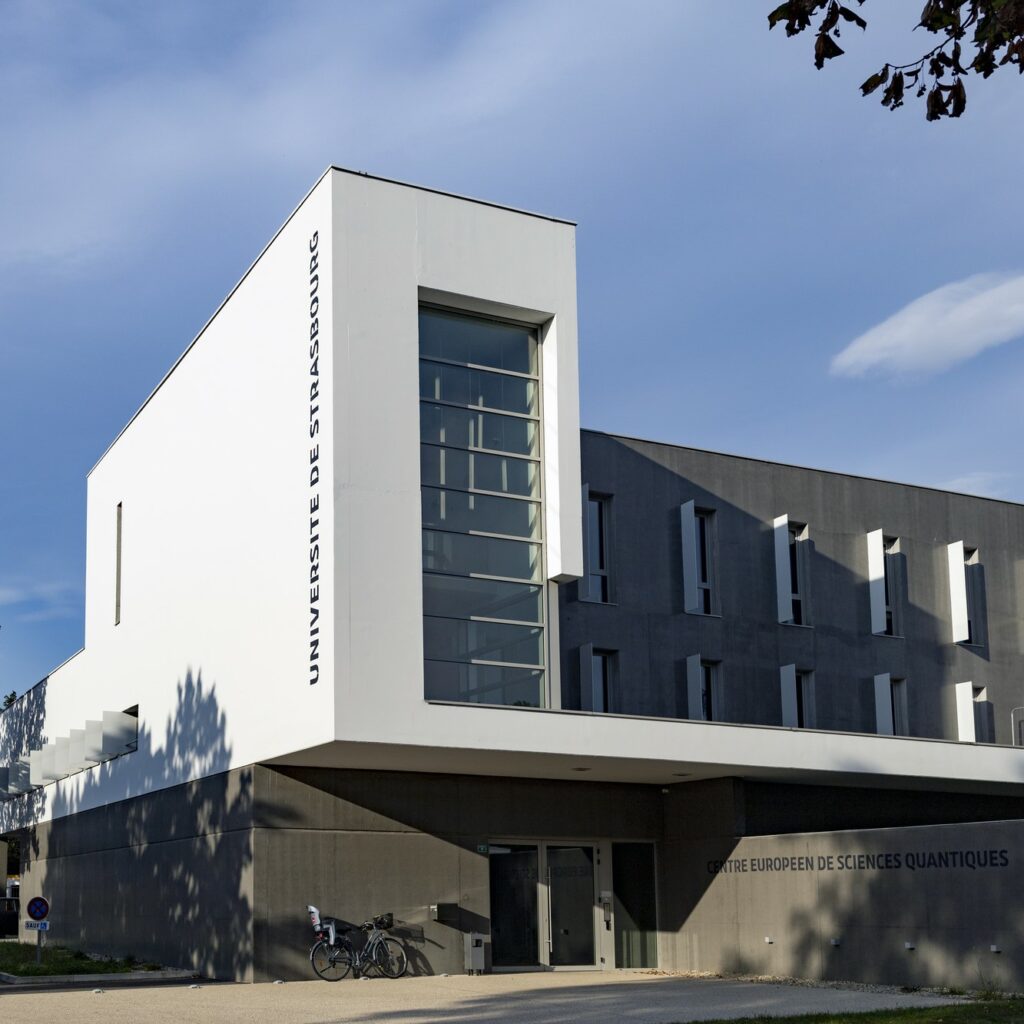
ROMEO Super Computer Center (HPC)
The ROMEO supercomputer, developed by Nvidia and ATOS, is one of the most powerful in France and also the most energy-efficient, providing computational power accessible to businesses and universities, allowing both of them to reduce their investments in equipment and personnel.
At the same time, the supercompter provides them with the latest technology and a support team of dedicated ingenieers. This advantage is crucial in today’s competitive environment, where modeling and simulation can significantly reduce costs and development times for new research projects.
A Proliferation of Academic and Industrial Projects Around Quantum Science in the Région Grand Est
- QMat – Quantum School of Excellence (doctoral training)
- Qaptiva in Reims – Quantum Simulator
- Institute of Photonics in Metz, involving CentraleSupélec, the University of Technology of Troyes (UTT), the University of Lorraine, the University of Strasbourg, INSA Strasbourg, and the University of Haute-Alsace
- Nano-Phot – Doctoral School in Photonics (UTT Troyes, URCA)
- QSTEC – Doctoral Training Program led by the Eucor European Campus (University of Strasbourg, Swiss and German universities) with IBM Zurich
- AQCESS – European Project with 27 teams aiming to build a quantum computer using atoms trapped by lasers (“Atomic quantum computing as a service”). Partners: KIT (Germany), University of Vienna (Austria), BASF, Quantum Institutes Canada, FZ-Juelich Institute Germany